
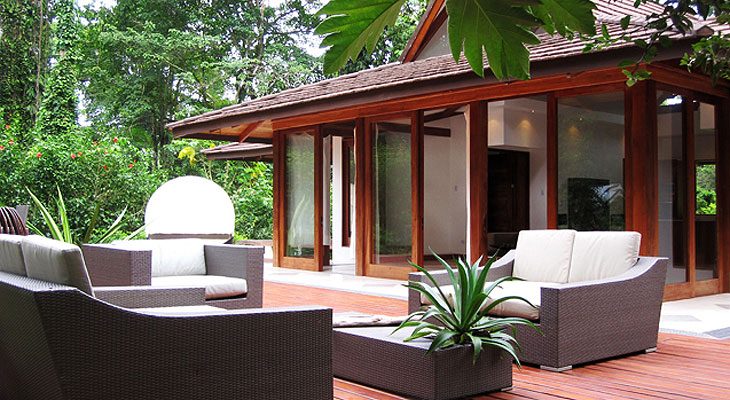
Unlike some of the other countries, foreigners have the same rights when purchasing land in Costa Rica as locals do. You can own property outright in your own name or in the name of your corporation. You do not need a local partner, except in cases of beachfront concession property, where special rules apply.
Can I Buy a House in Costa Rica? Yes—and one of the nicest surprises is that Costa Rica is generally very welcoming to foreign buyers. Unlike some other countries, foreigners typically have the same rights when purchasing land as locals do, so you can own property outright in your own name or through a corporation. You don’t usually need a local partner, except in cases of beachfront concession property where special rules apply. That said, “easy to buy” doesn’t mean “skip the homework,” because the details matter.
Can I Buy a House in Costa Rica?
Most purchases run smoothly when you do proper due diligence with the right professionals. In Costa Rica, it’s common to work with a reputable attorney/notary and verify title status, property boundaries, easements, access roads, and whether utilities are legally connected. It’s also smart to check municipal records for any liens, pending issues, or limitations that could affect remodeling or future construction. Think of it like putting on a seatbelt: not exciting, but wildly effective at preventing regret.
If you’re buying with the idea of building or expanding later, Costa Rica’s climate should be part of your decision—not just the view. In the Central Valley, heavy seasonal rains make drainage, slope stability, and roof detailing important; in coastal zones, humidity and salty air can accelerate corrosion and maintenance needs. A quick site assessment can reveal whether you’ll need extra excavation, retaining walls, or moisture protection—factors that influence both building costs and long-term comfort.
Beachfront concession property is the one area where the rules can feel a little “plot twist,” so it’s worth extra care. Concessions are typically regulated differently than titled property, and restrictions can affect ownership structure, timelines, and permitted use, so professional guidance is key. Whether you’re buying a finished home or land to build, the best next step is to define your goals (living full-time, vacation use, rental, future construction) and have a local expert team review the property before you commit. Done right, buying in Costa Rica can be refreshingly straightforward—and very pura vida.