
If you’re moving from the United States, there are many features that you may be used to having in a home that are either not done in Costa Rica or not easy to find. You should know this ahead of time so you can understand your home construction, and also in case you need to bring that hard-to-find element with you from the States.
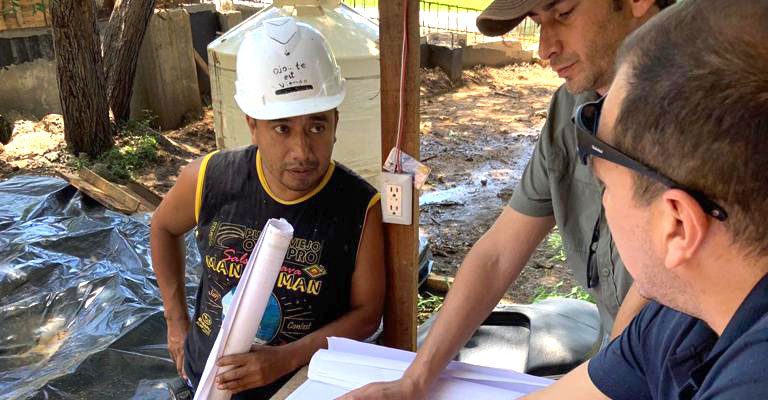
Planning tips for building your new home in Costa Rica start with the fun part: you’re building in a country that’s genuinely made for living well. If you’re moving from the United States, you’ll notice some “default” home features aren’t as common here or may come from different suppliers, so planning ahead keeps everything smooth. Make a clear list of must-haves and nice-to-haves early, and you’ll avoid the classic “why didn’t we think of that?” moment when the build is already rolling.
Planning tips for building your new home in Costa Rica
Costa Rica’s climate is a blessing for comfort, but it also deserves respect in the design. In the Central Valley, rainy season means water management matters; near coastal zones, humidity and salty air can speed up corrosion on exterior metals. Prioritize natural ventilation, good roof overhangs, smart drainage, and moisture-resistant finishes. These choices don’t just protect the house—they make it cooler, fresher, and easier to maintain year-round.
For structure, Costa Rica commonly uses concrete block (bloque) and reinforced concrete, which pair well with the country’s tropical conditions and seismic reality. Earthquakes are part of the landscape, so sismo-resistant design isn’t a luxury—it’s standard good practice. You don’t need to become an engineer overnight; you just want a qualified architect/engineer to guide the structural approach while you focus on layout, light, airflow, and the lifestyle you’re moving here for.
The best strategy is to blend your U.S. expectations with Costa Rica’s strengths: practical materials, indoor-outdoor living, and durable finishes. Confirm availability of specific fixtures and hardware early, and budget realistically for anything you plan to import. Permitting can vary by municipality, so it’s smart to verify local requirements with professionals who do this daily. With a solid plan and the right team, your new home can feel like pura vida in blueprint form—start by mapping priorities and next steps.